Last Call Home
LCH is my thesis work from the Savannah College of Art and Design. The only content not original to myself is the audio and a desk mesh (Thanks Ben <3).
Game Design Document
I find it pretty important to create a game design document for any project that I’m working on. It’s good to just have a high-level reference in case I get lost in the sauce.
Blog
So Last Call Home was my Thesis final project at SCAD. I created all of the programming from scratch and also made 90% of the art content. The sounds were sourced from free sites online. One desk and chair were made by good friend Benjamin Mushey. Thanks Ben <3.
LCH is a demo to test my theory called, “Proximity Based Danger in Level Design.” It’s a concept that’s existed in game design for a very long time but it’s never been named. The idea of PDLD is that if you place a danger/hazard in a level the player will avoid it, and you can use the players avoidance to guide them through the level. Like, “Hey you. You can’t go this way yet because there’s an enemy that will kill you here. Go the other way, and then come back later.”
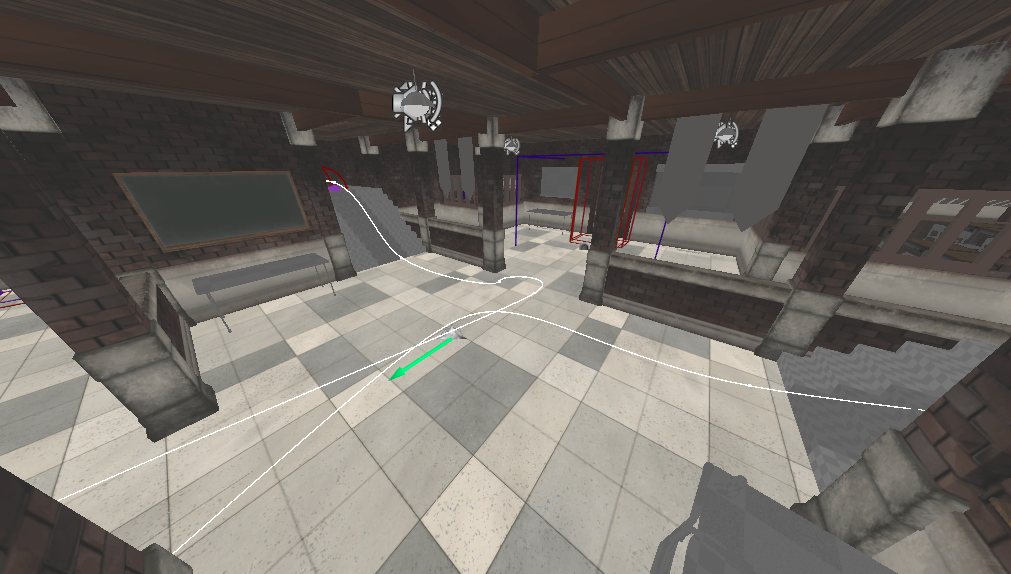
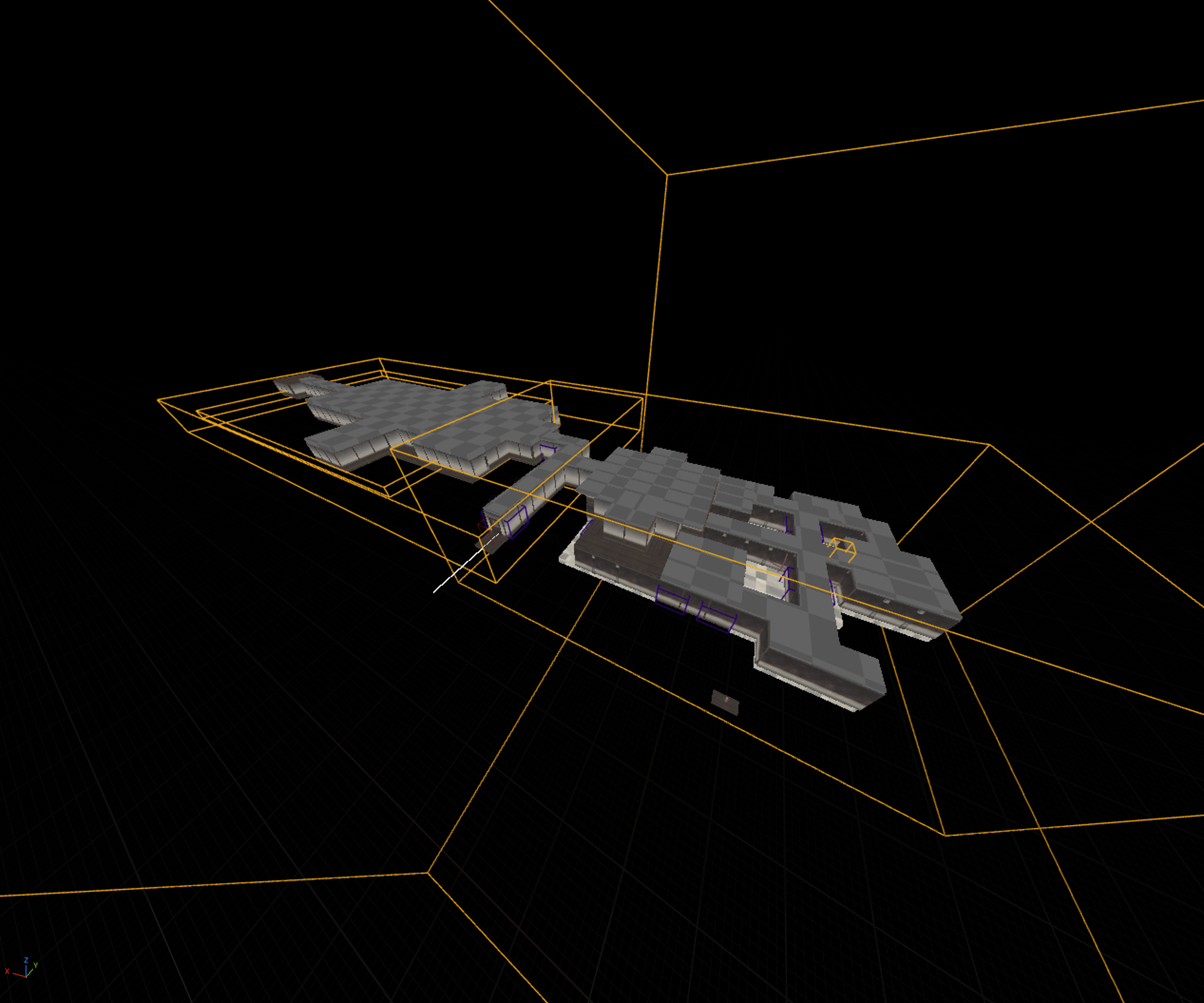
The maze has two main portions. A sneaking section towards the start and then it progresses into a full blown encounter with the main enemy, “The Conductor.”
The Conductor travels along a set of spline points. He does have a blackboard system to help him navigate the level as well as control his aggro.
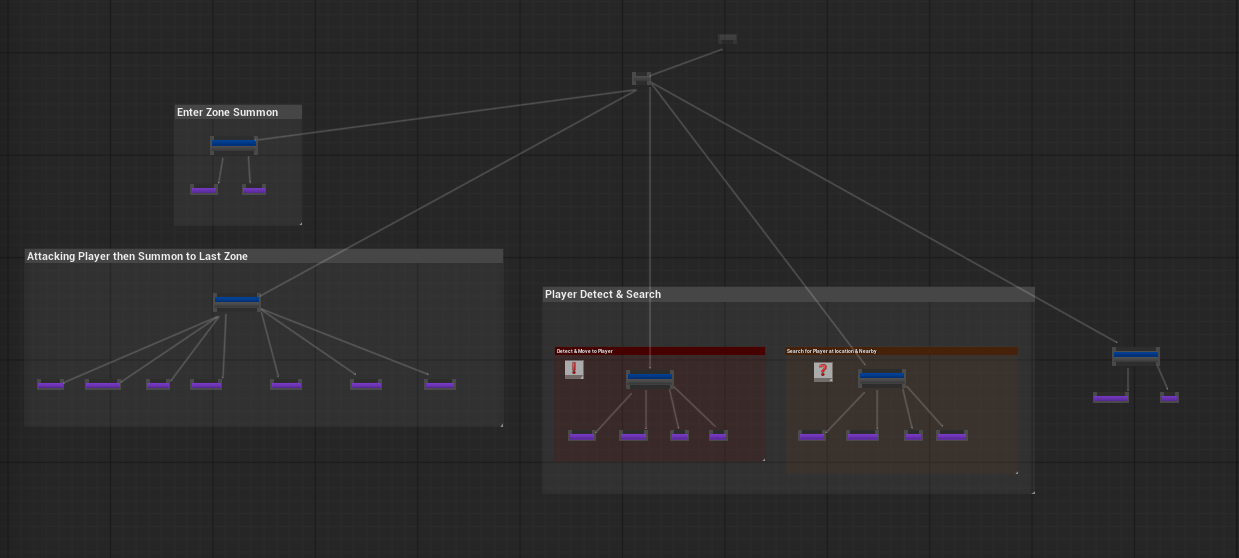
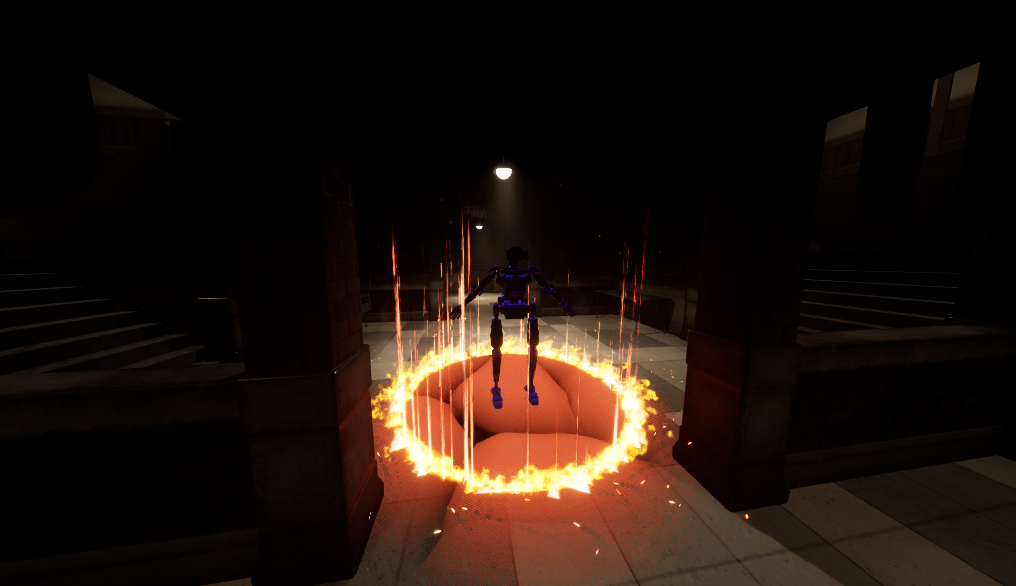
The Conductor is a simple boss type. He functions practically the same as Nemesis from the Resident Evil series would. He slowly follows the player around and can ramp up in speed occasionally. If he manages to catch the player they lose a ton of HP and are thrown into the nearest wall.
The placeholder mesh for The Conductor is from a previous project. I feel that I might have to fully recreate the character BPs for Last Call Home. I’ve learned a lot of optimization tricks and character blueprint tricks since then. I’m always excited to go back and optimize something or just to be able to recreate a system fully. I love doing little cleaning things like that.
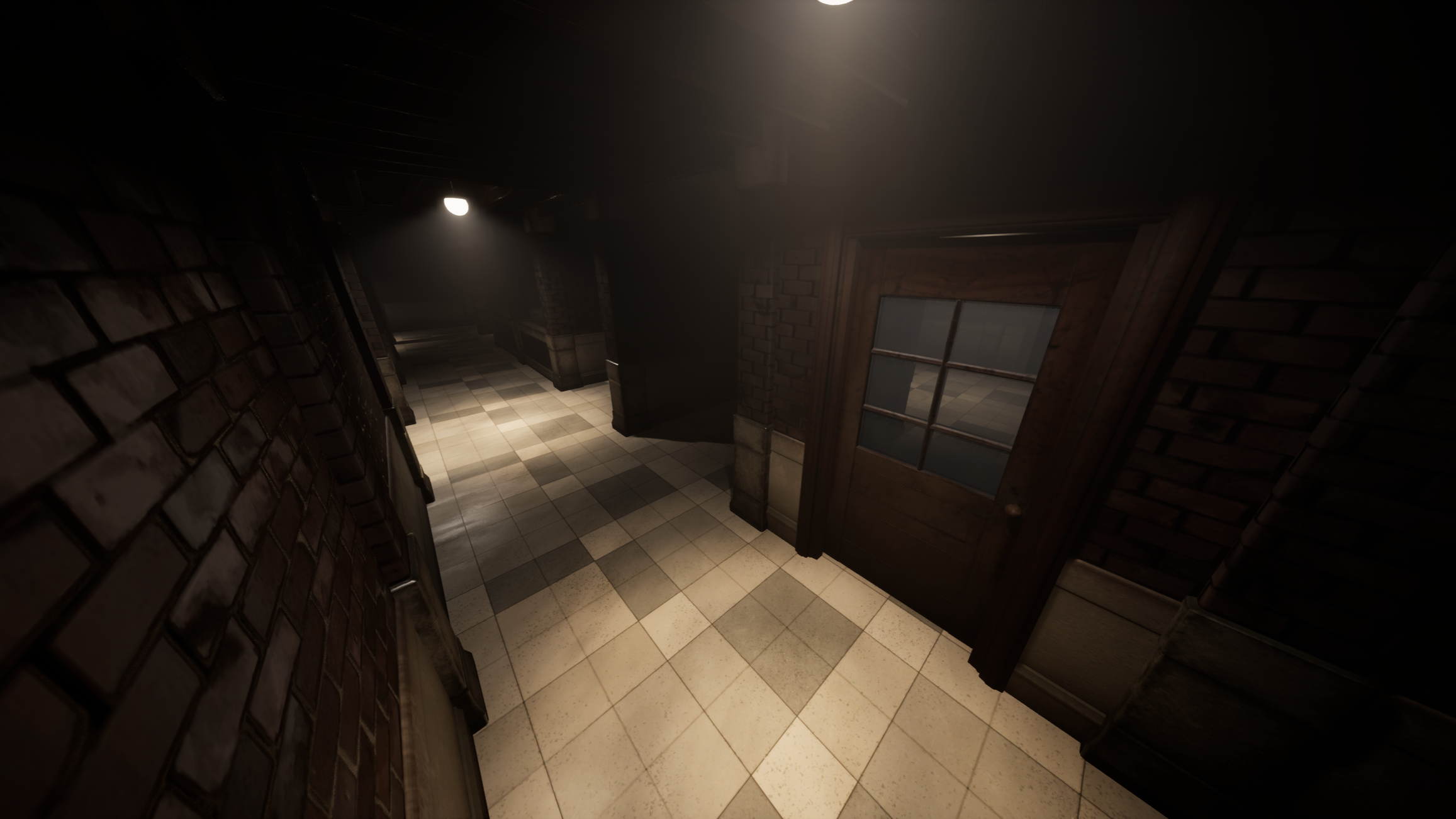
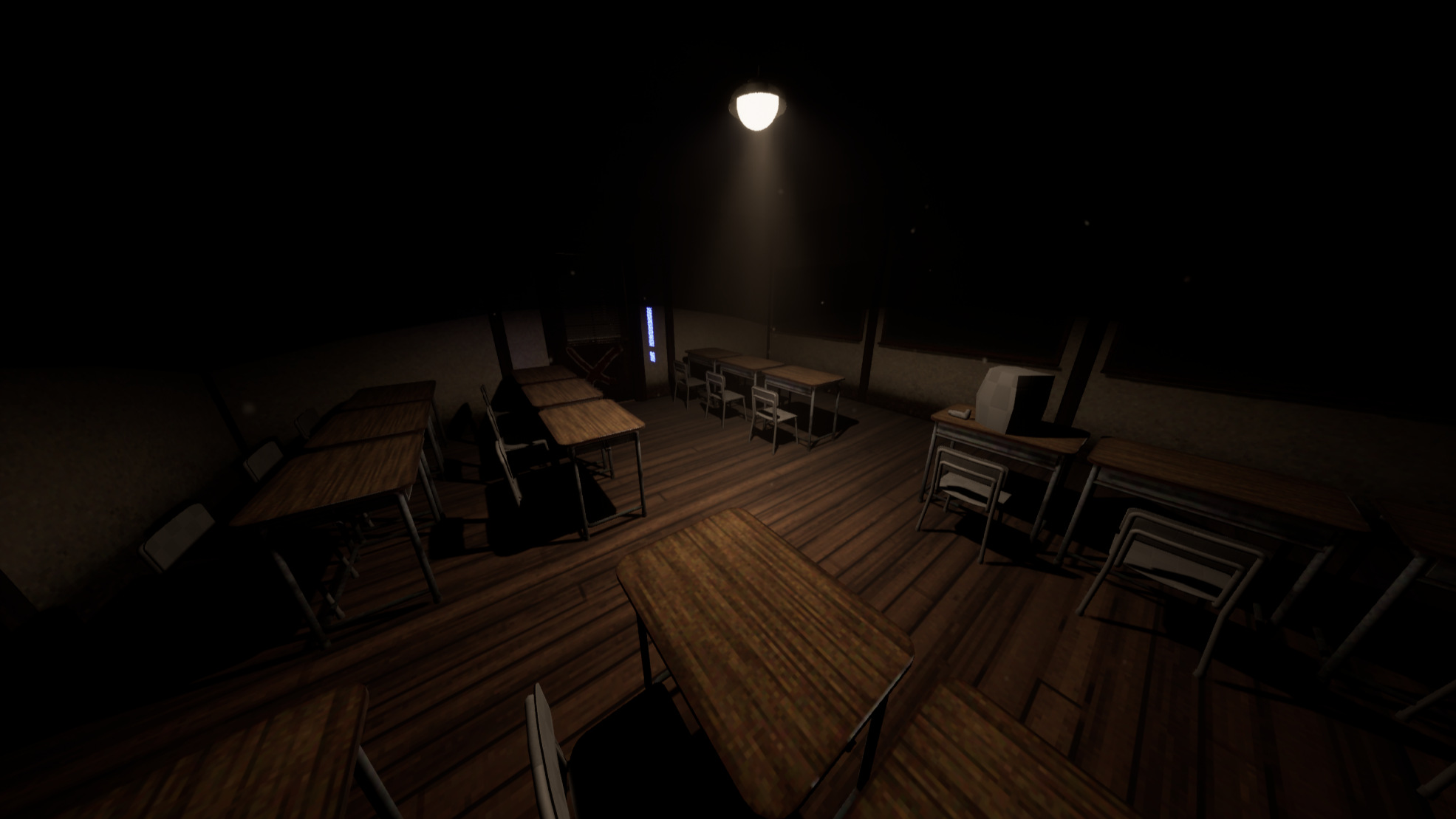
The environment has truly come a long way. It used to be this sleek and undirtied area. I added some roughness variations at first and then decided against it fully. The image to the right here is the original, bottom left is the first update, and then the final version is at the bottom right here.
I’m very happy with how the final result is looking and if I were to continue with the project I would definitely follow this art direction.
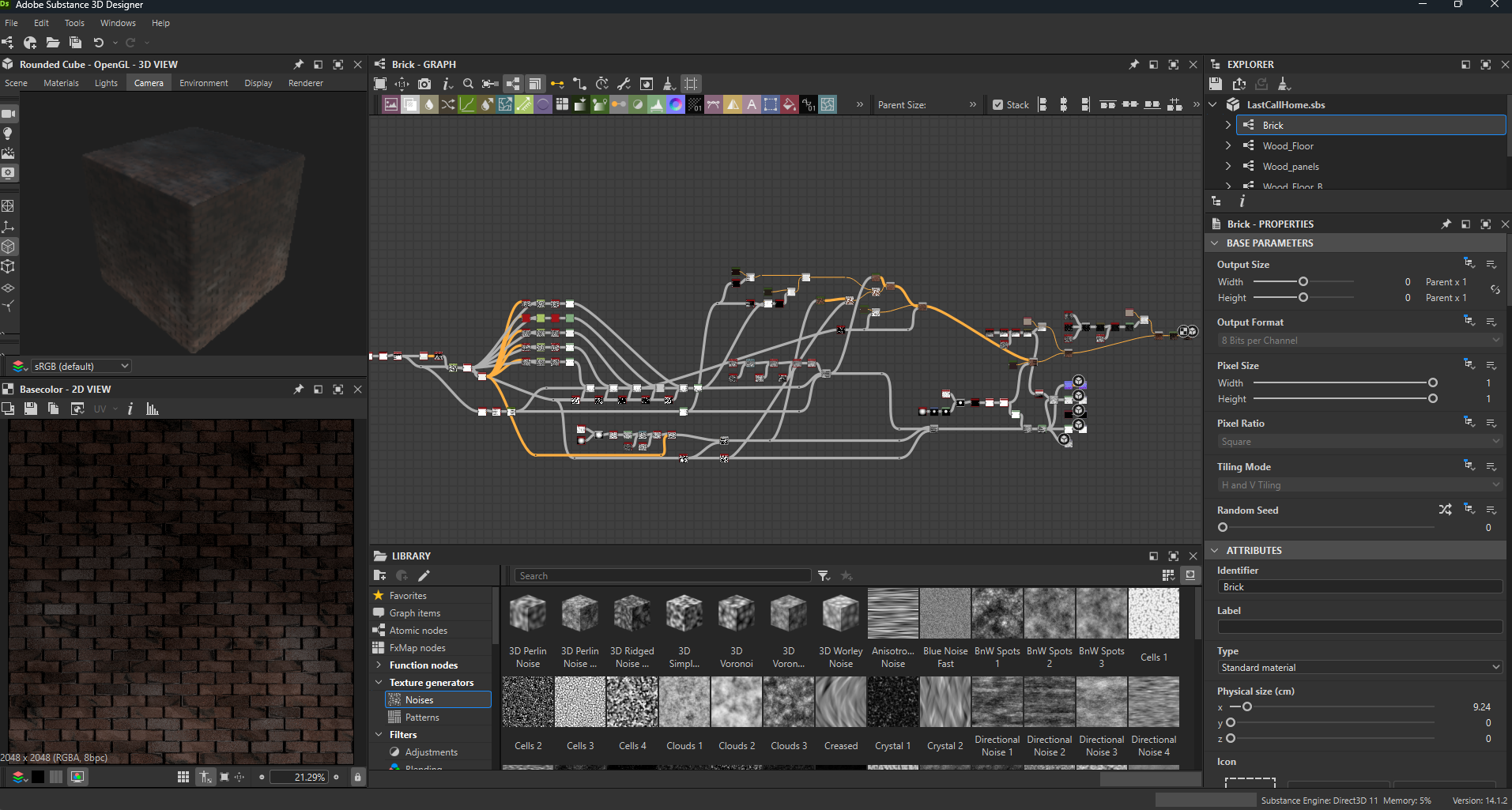
Substance Designer is my rock. I couldn’t imagine life without substance designer. I live, breathe, and eat substance designer.
As a completely unrelated topic. I can’t believe they’re doing away with blueprints. I love blueprints as much as I love designer. I wish I could start practicing Verse now. At the time of writing this (7-1-26) it is only available for the Fortnite editor.
A lot of my art starts in Substance Designer, travels to Painter, and then winds back up in designer. Somehow.
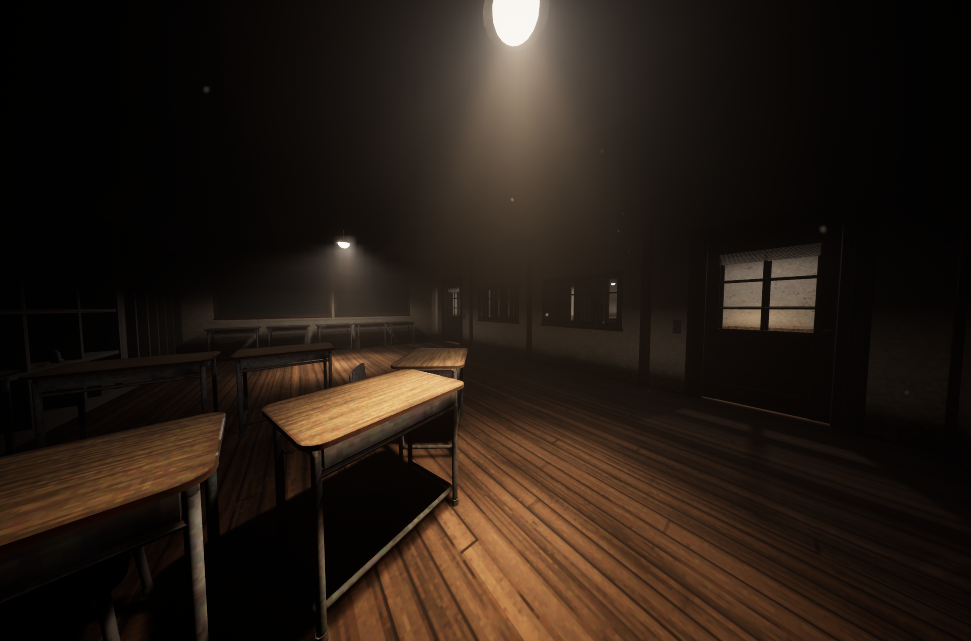
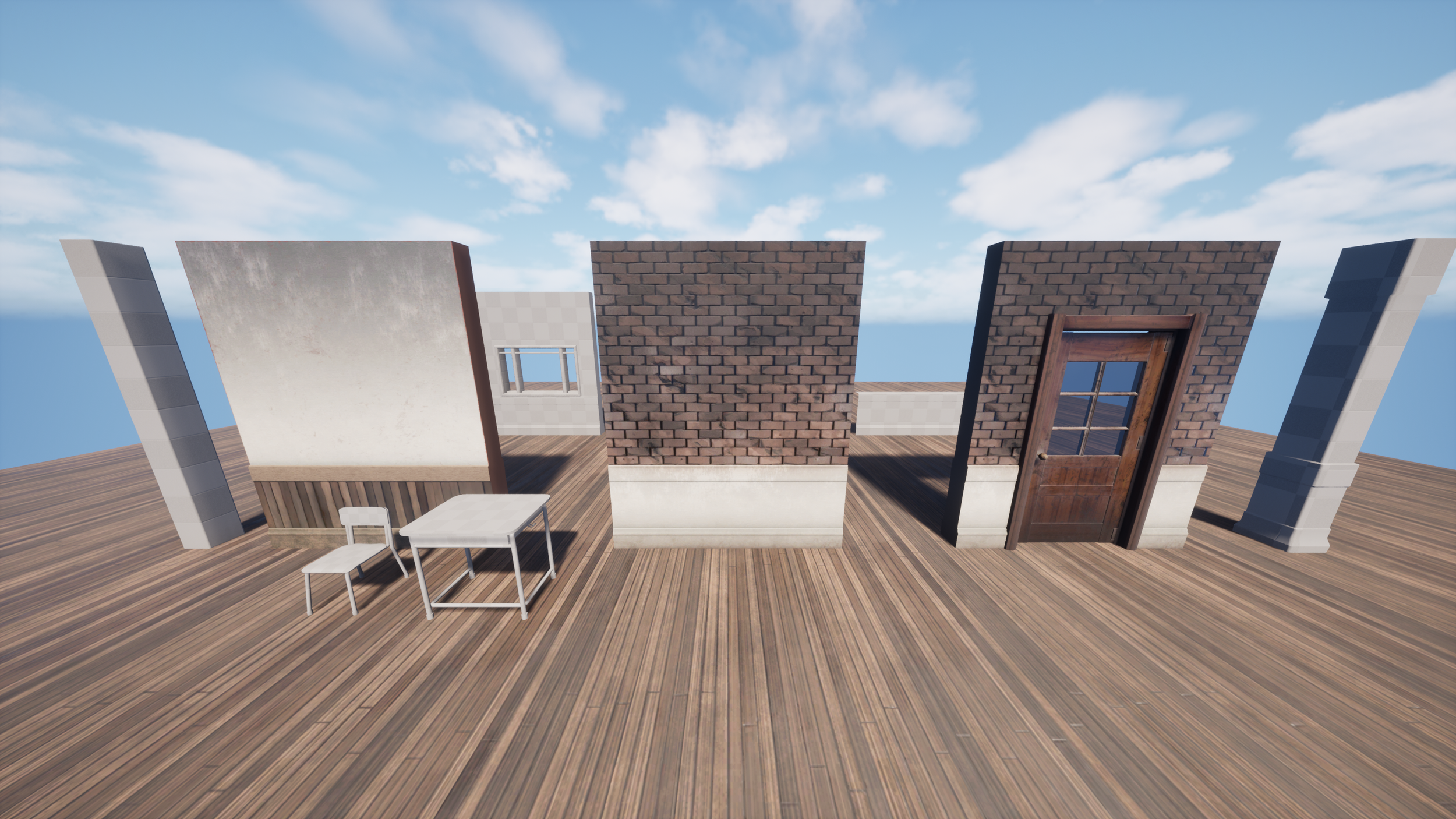
When designing the prototype I went for a modular kit. I opted away from using trim sheets, but looking back it would have saved a ton of time. I ran into a lot of issues making the game because I wanted to focus on the narrative more than the mechanics. My professors got me back on track and I ended up having to create an entirely new level called, “The Maze Level.” This area really lets the player experience all of the mechanics in the game, but lacks any narrative.
I have so much more to say about this project, but I need a break. Be back after lunch…